Are You Overlooking Hidden Bed Bugs During DIY Room Treatments?
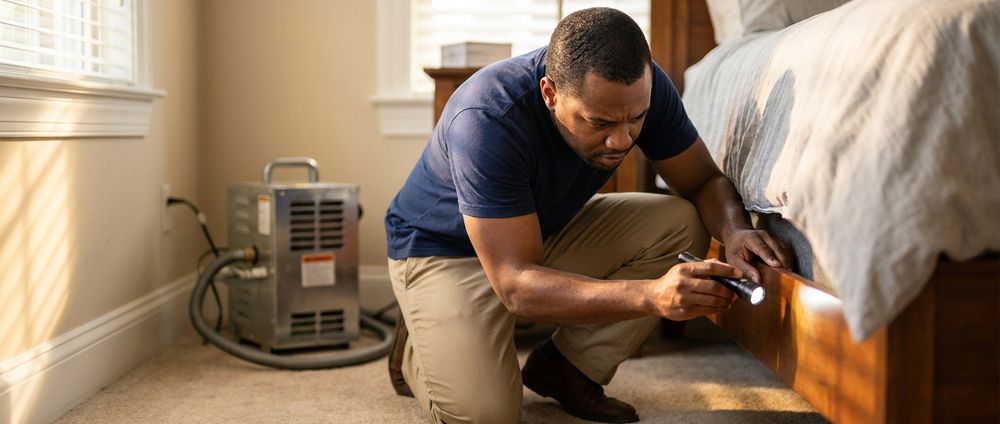
You have likely invested significant time and resources into eradicating pests from your living spaces. Many property owners attempt to resolve these infestations independently to save money and maintain privacy. You might spray visible areas meticulously and wash all your bedding at high temperatures. Despite these diligent efforts, you may still wake up with unexplained bites. This frustrating cycle occurs because standard surface applications rarely reach the deep harborages where these insects thrive. The true challenge lies not in treating the pests you can see, but in eliminating the ones entirely out of sight.
Addressing an infestation requires a comprehensive understanding of how these insects operate within a domestic environment. These pests possess an extraordinary ability to flatten their bodies and squeeze into microscopic cracks. They retreat deep into the structural framework of your home during daylight hours. A cursory glance at your mattress seams will not reveal the full extent of the problem. You must adopt a systematic approach to uncover every potential nesting site. Mastering a thorough DIY bed bug inspection is the first necessary step toward reclaiming your property.
Failing to locate every single nesting area guarantees that the infestation will rebound. A handful of surviving eggs or adults hidden behind a baseboard can repopulate an entire room within weeks. You cannot rely on hope or partial measures when dealing with such resilient insects. You must deploy advanced strategies that penetrate deep into walls, furniture, and flooring. By understanding the specific behaviors of hidden bed bugs, you can implement highly effective eradication methods. This strategic shift will allow you to break the cycle of reinfestation permanently.
The Biology of Evasion and Nesting Habits
Understanding the biological imperatives of these insects is an essential component of effective eradication. These pests are strictly nocturnal parasites that avoid light and open spaces at all costs. Their flat bodies allow them to navigate through gaps as thin as a standard credit card. You will rarely find them wandering across open floors or exposed walls during the day. Instead, they seek out tight spaces that provide physical contact on multiple sides of their bodies. This preference for confined areas makes them exceptionally difficult to locate without a targeted search strategy.
When you begin searching for hidden bed bugs, you must look far beyond the immediate sleeping area. While mattresses and box springs are common primary harborages, these insects will travel significant distances to find secure hiding spots. They frequently establish satellite nests behind electrical outlets, underneath carpeting, and inside the joints of wooden furniture. You might even find them residing within the hollow tubing of metal bed frames or behind loose wallpaper. Their ability to disperse throughout a room complicates the treatment process significantly.
Temperature and proximity to a food source dictate where these pests choose to congregate. They prefer to remain within a few feet of their host to minimize the energy required for feeding. Severe infestations will eventually force the population to expand outward into adjacent rooms and hallways. You must recognize that a localized problem in one bedroom can quickly become a property wide crisis. Evaluating the perimeter of the primary infestation zone is a necessary element of your overall strategy.
These insects also reproduce at an alarming rate when left undisturbed in their hidden sanctuaries. A single female can deposit hundreds of eggs throughout her lifespan. These eggs are coated in a sticky substance that adheres firmly to hidden surfaces, making them impervious to standard vacuuming. Because the eggs are nearly translucent and the size of a pinhead, they easily escape visual detection. You must account for these unhatched generations when planning your eradication protocol.
Executing a Professional Grade DIY Bed Bug Inspection
A successful eradication campaign begins with a meticulous assessment of the affected environment. You cannot effectively treat an area if you do not know exactly where the pests are hiding. Conducting a rigorous DIY bed bug inspection requires patience, strong lighting, and a systematic methodology. You should equip yourself with a bright LED flashlight, a magnifying glass, and a flat putty knife. These simple instruments will allow you to probe the deep crevices where insects conceal themselves.
Your inspection must follow a logical progression, starting from the bed and moving outward in concentric circles. Begin by stripping all bedding and inspecting the piping, seams, and tags of the mattress.
- Examine the plastic corner guards and the underside of the box spring carefully.
- Use your flashlight to illuminate the dark gaps where the bed frame joints meet.
- Probe the screw holes and wooden slats with your putty knife to flush out resting insects.
- Check the areas where the headboard attaches to the main frame, as these are prime nesting locations.
Once you have thoroughly cleared the bed assembly, you must expand your search to the surrounding furniture.
Nightstands, dressers, and upholstered chairs require the same level of intense scrutiny. You must empty all drawers and inspect the interior tracks and joints of the cabinetry. Turn chairs and small sofas upside down to examine the dust covers and hidden wooden frameworks. These insects frequently lay their eggs along the staple lines underneath upholstered furniture. You should also inspect the seams of decorative pillows and the folds of heavy curtains near the floor.
The final phase of your inspection involves the structural elements of the room itself. You must direct your attention to the perimeter where the floor meets the wall. Examine the edges of the baseboards and the tack strips securing the carpet. Remove the faceplates from electrical outlets and light switches to check for fecal spotting or cast skins inside the wall voids. By methodically checking these structural hiding spots, you ensure that no secondary nests remain undiscovered.
The Strategic Limitations of Chemical Applications
Many property owners instinctively reach for chemical sprays and foggers at the first sign of an infestation. These products are widely available and promise immediate results with minimal effort. Relying exclusively on chemical treatments often leads to prolonged frustration and repeated failures. The primary flaw in this approach is the inability of most consumer grade sprays to penetrate deep structural voids. When you apply a chemical spray, it typically only coats the exposed surfaces of the room.
Hidden bed bugs are rarely affected by these superficial chemical applications. Because they retreat deep into walls and furniture joints, the spray never makes direct contact with their bodies. Additionally, many commercial foggers actually exacerbate the problem by acting as a repellent. When these insects detect the chemical mist, they simply retreat further into their inaccessible hiding spaces. This defensive behavior disperses the population throughout the property, making subsequent treatments substantially more difficult.
Chemical resistance presents another significant barrier to successful eradication. Over several decades, these insects have developed genetic mutations that render many common insecticides ineffective. You might apply a heavy dose of a chemical treatment only to find the pests walking unharmed across the dried residue days later. This resistance means that even direct contact with a toxic substance does not guarantee mortality. You must seek alternative methodologies that bypass these biological defenses entirely.
Chemical applications also fail to destroy unhatched eggs hidden in deep crevices. Even if a spray successfully eliminates the adult population, the eggs will remain viable and hatch within a few weeks. This delayed hatching creates a continuous cycle of reinfestation that chemical treatments alone cannot break. You must utilize a treatment modality that penetrates physical barriers and destroys the insects at every stage of their life cycle. Relying on outdated chemical methods simply prolongs the disruption to your home environment.
Implementing Thermal Pest Control Solutions
To achieve complete eradication, you must employ a method that eliminates the pests' ability to hide. Heat is universally lethal to these insects at all stages of their development, including the highly resilient egg stage. Implementing thermal pest control offers a comprehensive solution that chemical applications simply cannot match. When you raise the ambient temperature of a room to a specific lethal threshold, the heat penetrates every physical object within that space. This process leaves the insects with absolutely no safe harbor.
The science behind this methodology is straightforward and highly effective. These pests cannot survive when exposed to temperatures exceeding 120 degrees Fahrenheit for a sustained period. Specialized heating equipment gradually raises the temperature of the target room, turning the entire environment into a lethal zone. The heat conducts through thick mattresses, penetrates solid wood furniture, and radiates into deep wall voids. You do not need to locate every single insect because the heat will eventually reach them wherever they are hiding.
Executing a successful heat treatment requires proper preparation and specialized equipment. You must arrange the contents of the room to facilitate maximum airflow and heat distribution.
- Stand mattresses and box springs upright to expose all surface areas to the circulating hot air.
- Open all dresser drawers and closet doors to ensure the heat penetrates these enclosed spaces.
- Remove delicate items like candles, vinyl records, and certain electronics from the treatment zone.
- Use powerful fans to push the heated air into the deepest corners and structural voids of the room.
Proper air circulation is the key to ensuring uniform temperature distribution throughout the space.
Thermal treatments offer a distinct advantage by providing immediate results. Unlike chemical protocols that require multiple applications over several weeks, a proper heat treatment resolves the infestation in a single session. You can safely return to your living space immediately after the room has cooled down. This method is entirely nontoxic, making it an ideal choice for households prioritizing safety and environmental responsibility. By leveraging the power of heat, you can definitively eliminate the entire population in one decisive action.
Sustaining a Pest Free Environment After Treatment
Eradicating an active infestation is a significant victory, but your long term success depends on proactive prevention. Once you have cleared your property, you must implement strict protocols to prevent new insects from being introduced. These pests are highly adept hitchhikers that frequently travel on luggage, clothing, and used furniture. You must remain vigilant when returning from trips or bringing new items into your home. Establishing a defensive perimeter requires consistent monitoring and behavioral adjustments.
Routine monitoring is the most effective way to catch a potential reinfestation before it escalates. You should install specialized interceptor traps under the legs of your bed frame and surrounding furniture. These small plastic devices capture any insects attempting to climb up from the floor. Checking these traps weekly provides clear visual evidence of pest activity in your sleeping areas. Early detection allows you to address a minor issue before it develops into a widespread crisis.
You must also optimize your living environment to minimize potential hiding spots. Reducing clutter is a fundamental component of long term pest management. Stacks of clothing, cardboard boxes, and unnecessary debris provide perfect sanctuaries for pests to breed undisturbed. By keeping your floors clear and your storage areas organized, you significantly reduce the available real estate for these insects. A clean, minimalist environment makes future inspections much faster and far more accurate.
You should protect your primary resting areas with premium encasements. Mattress and box spring encasements trap any surviving insects inside while preventing new ones from establishing nests in the seams. These tightly woven covers eliminate the most common hiding spots, forcing any newly introduced pests out into the open. When you combine these preventative measures with regular inspections, you create an environment that is highly resistant to future infestations. Your commitment to ongoing maintenance will secure the results of your initial treatment.
Managing a pest infestation demands a strategic, thoroughly planned approach rather than a series of reactive measures. By understanding the evasive nature of these insects, you can anticipate their movements and target their hidden sanctuaries effectively. Moving away from superficial chemical applications and embracing comprehensive thermal strategies provides a definitive path to eradication. You have the power to reclaim your living spaces by executing rigorous inspections and deploying the right technological solutions. Consistent monitoring and environmental management will ensure your property remains completely secure long after the initial treatment concludes.
Navigating this process independently can feel overwhelming, but you do not have to manage the complexities alone. Accessing professional grade equipment and expert guidance ensures that your eradication efforts are both safe and highly effective. If you are ready to implement a proven, nontoxic strategy, we are here to support your success. Reach out directly to Info@atlantabedbugheaters.com to discuss your specific situation and secure the equipment necessary to restore the comfort of your home.