Curious about how to protect your home and family from bed bugs in Atlanta? Our latest article, "How Bed Bug Control Works: What Every Atlanta Family Should Know," breaks down the science of bed bug behavior, explains why infestations occur, and highlights the effectiveness of chemical-free pest control solutions. You’ll learn how to spot the early signs of a bed bug problem, understand their life cycle, and discover why eco-friendly heat treatments are becoming the go-to choice for families seeking safe, reliable bed bug control in Atlanta. Take the guesswork out of pest management and find out how you can safeguard your home while supporting a healthier environment for your community.

-
How Bed Bug Control Works: What Every Atlanta Family Should Know
CLICK HERE TO READ THE FULL ARTICLE »
-
Bed Bug Heater Rentals: Cost-Effective Solutions for Landlords and Property Managers
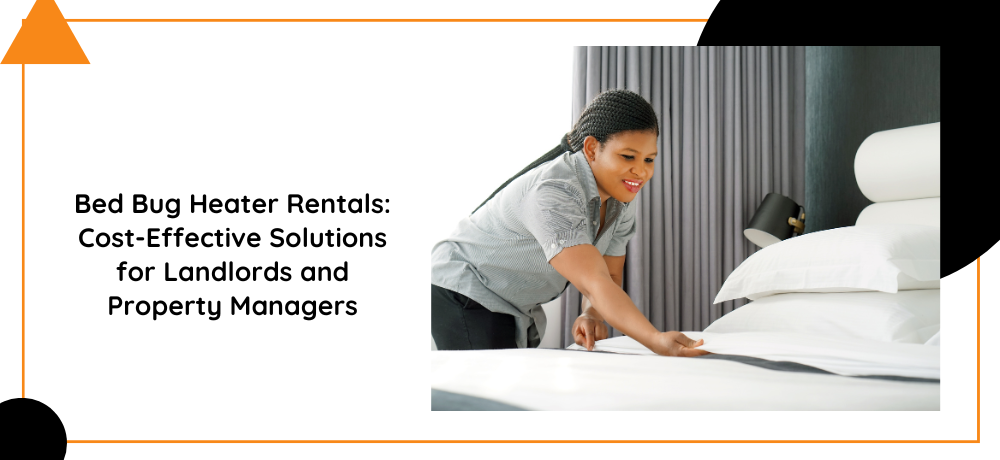
Are you a landlord or property manager grappling with a bed bug infestation? Discover the cost-effective solution that Atlanta Bedbug Heater Rentals offers with our environmentally friendly and non-toxic heat treatments. Our professional-grade bed bug heater systems empower you to eliminate bed bugs efficiently and affordably, ensuring a pest-free environment for your tenants. Say goodbye to costly exterminator fees and hello to a DIY approach that delivers results within 24 hours. Explore how our mobile services across Georgia, Tennessee, and Alabama can save you money and stress in managing your properties.
CLICK HERE TO READ THE FULL ARTICLE »
-
Top Signs You Have a Bed Bug Infestation in Your Home or Business
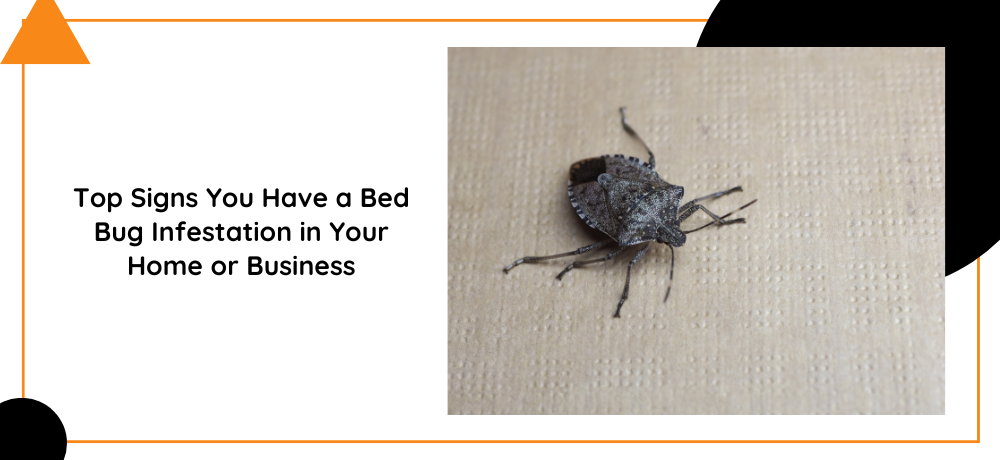
Are you waking up with mysterious bites or noticing small, rust-colored stains on your sheets? These could be the telltale signs of a bed bug infestation in your home or business. Bed bugs are notorious for their ability to hide in the smallest of crevices, making them difficult to detect and eliminate. In our latest blog post, we delve into the top indicators of a bed bug presence, helping you identify and address the issue before it escalates. Discover how to spot these unwelcome guests and take control of your environment with effective solutions.
CLICK HERE TO READ THE FULL ARTICLE »
-
Why Heat Treatment is the Best Method for Bed Bug Extermination
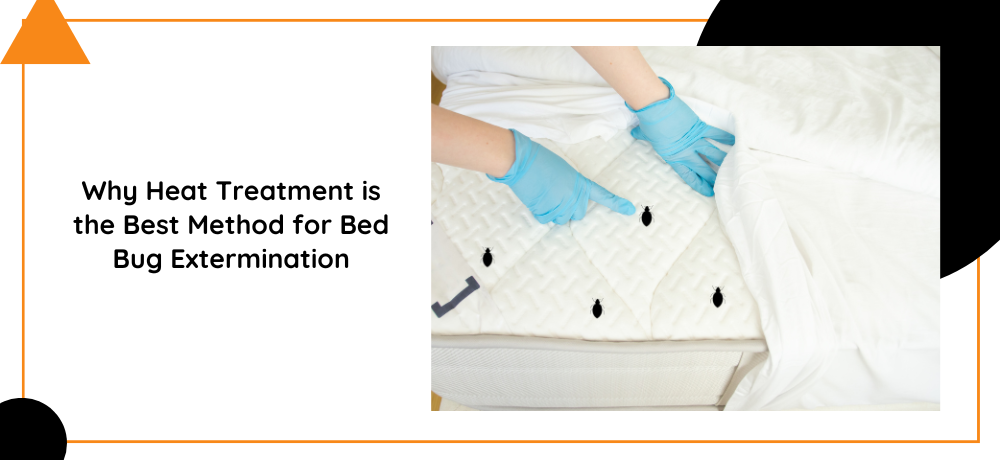
Discover why heat treatment stands out as the most effective solution for bed bug extermination. Unlike traditional methods that rely on chemicals, heat treatment offers an environmentally friendly and non-toxic approach, ensuring the safety of your home and family. This innovative method guarantees the eradication of bed bugs within 24 hours, providing a quick and efficient remedy for residents and business owners alike. Learn how Atlanta Bedbug Heater Rentals can help you achieve a bed bug-free environment with their professional-grade heater systems, tailored to meet your needs.
CLICK HERE TO READ THE FULL ARTICLE »
-
Top Signs You Might Have a Bed Bug Infestation in Your Home or Business

Discover the alarming signs of a bed bug infestation with our latest guide. Learn how unexplained bites, tiny blood stains on your sheets, or a sweet musty odor could indicate these unwelcome guests in your home or business. We'll also show you how to spot bed bug excrement and eggs, helping you take quick action before the situation worsens. Don't let bed bugs disrupt your life—find out what to look for and how to effectively combat them.
CLICK HERE TO READ THE FULL ARTICLE »
-
How to Prepare Your Home for a Bed Bug Heat Treatment
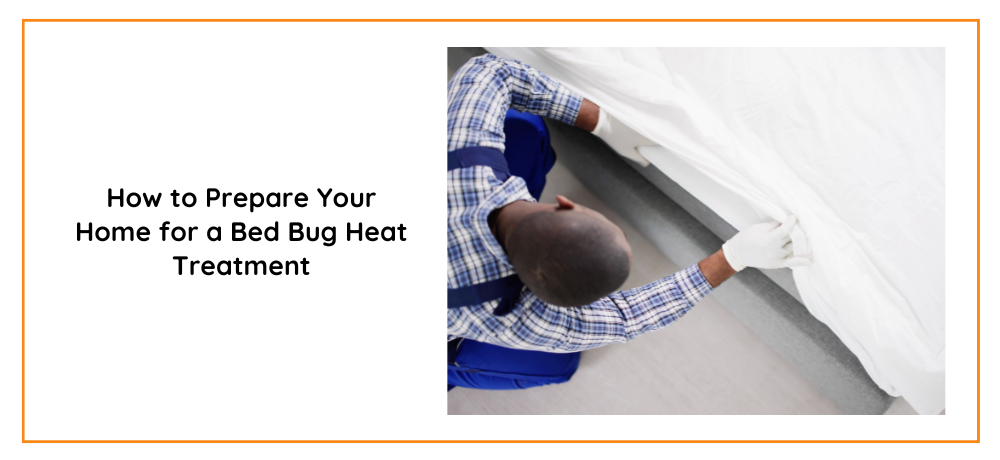
Discover the effective way to rid your home of bed bugs with our guide on preparing for a heat treatment. Learn key steps to ensure the success of the process, such as decluttering your space, washing fabrics in hot water, and what items to remove from the treatment area. This article will provide you with a comprehensive checklist and practical tips to maximize the efficacy of the heat treatment, ensuring a bed bug-free environment in less than 24 hours. Perfect for homeowners and businesses alike, our methods are environmentally friendly and non-toxic.
CLICK HERE TO READ THE FULL ARTICLE »